A turkey wattle is a loose, skin-like flap that hangs from the turkey’s neck. It’s most commonly seen in males and stands out due to its bright red color. Turkey wattles vary significantly among different turkeys. Some are long and prominent, while others are shorter and less noticeable. Younger turkeys tend to have smaller and less pronounced wattles, which grow and become more prominent.. Wattles have other roles to play. When the male turkey gets to courting the hens, the wattle takes center stage. Extra blood rushes in, and the wattle glows bright scarlet for maximum visual impact. If a predator appears, sparking a moment of fear, the blood may retract from the wattle, turning it blue.
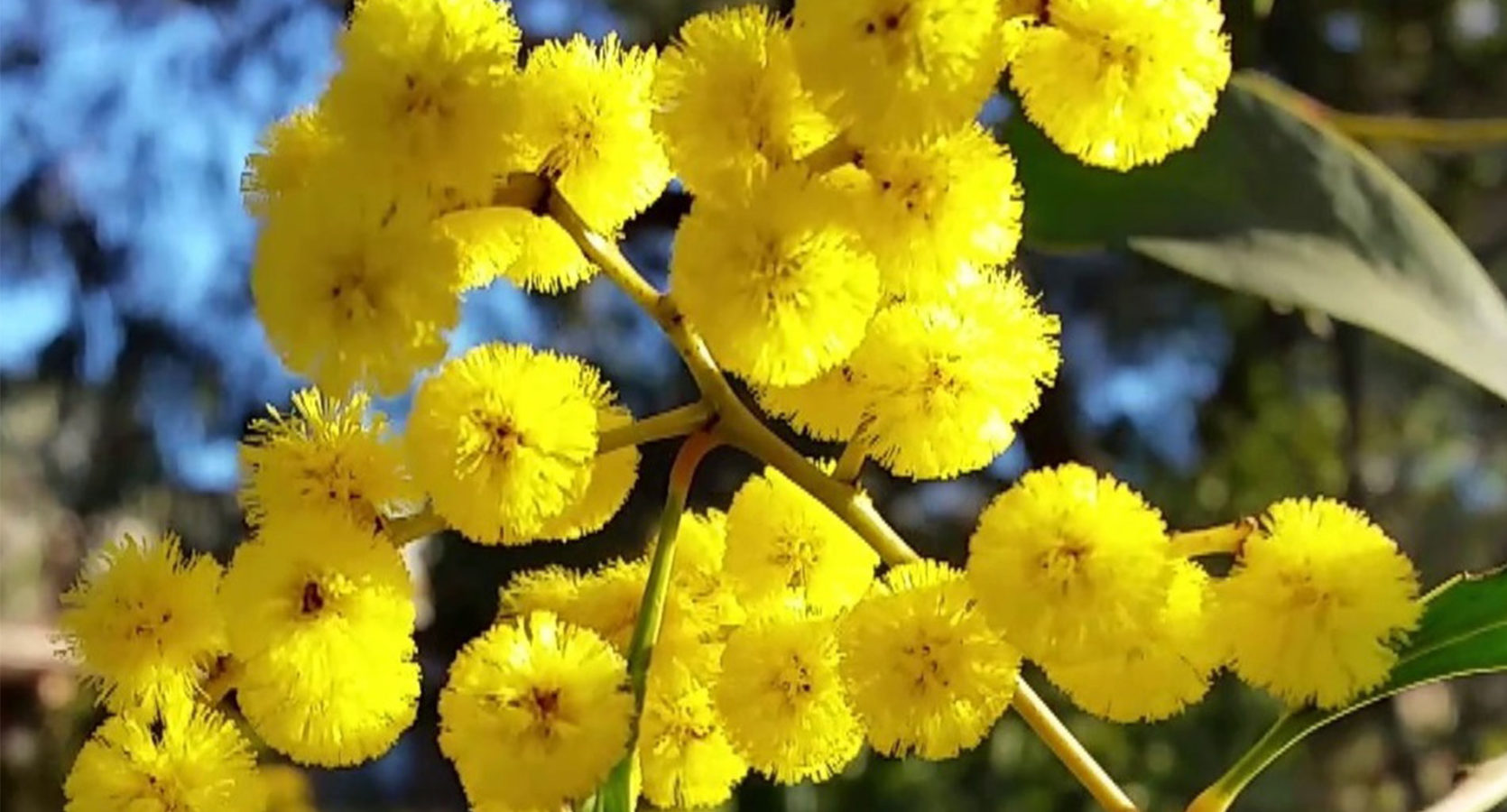
Wattle Day
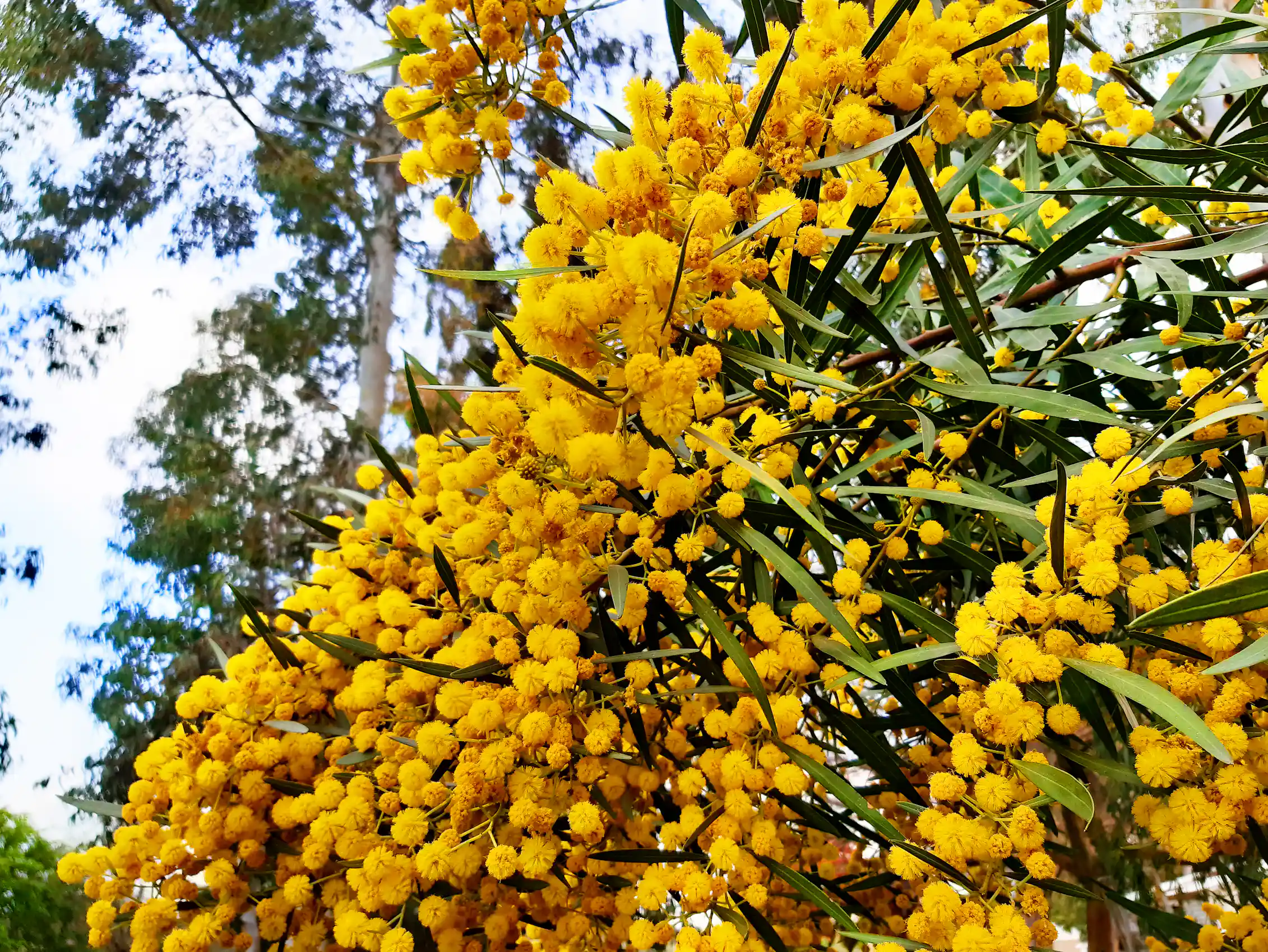
Once again, wattles are out in bloom here’s what makes our iconic
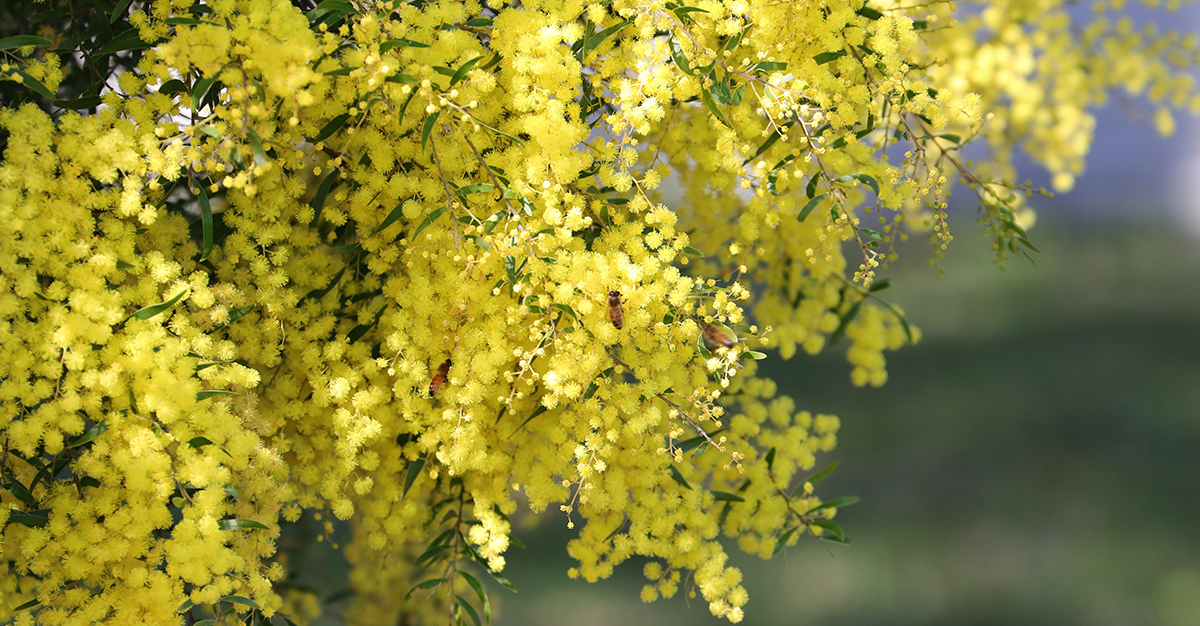
The Australian Wattle Tree Flowers Across Melbourne

Wattles The incredible native to spring with — Wild Plants
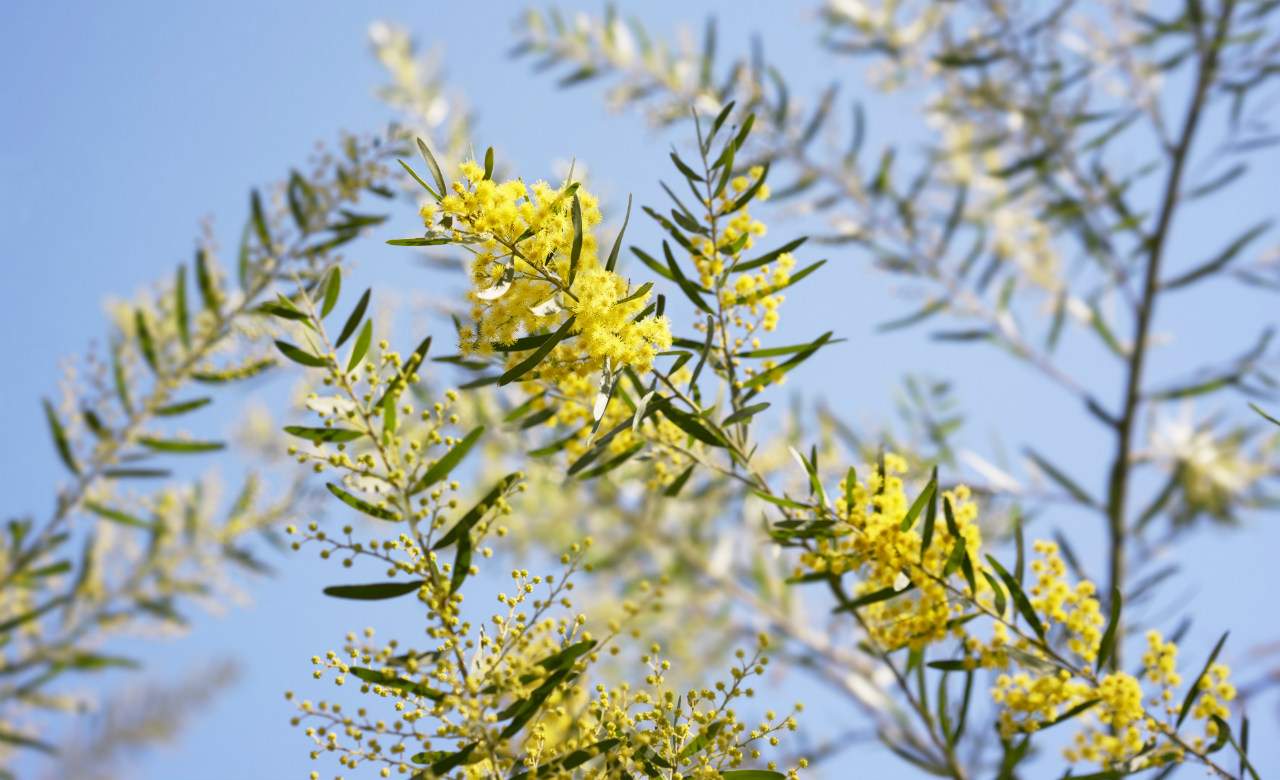
135 best Wattle images on Pinterest Australia, Acacia and Babys

Australian Wattle Free Stock Photo Public Domain Pictures

GARDENING Wattle you plant in your garden this spring Mandurah Mail

Ubobo Flowers Lovely Golden Wattle

Wattle Tree Guide How To Grow Wattle Trees
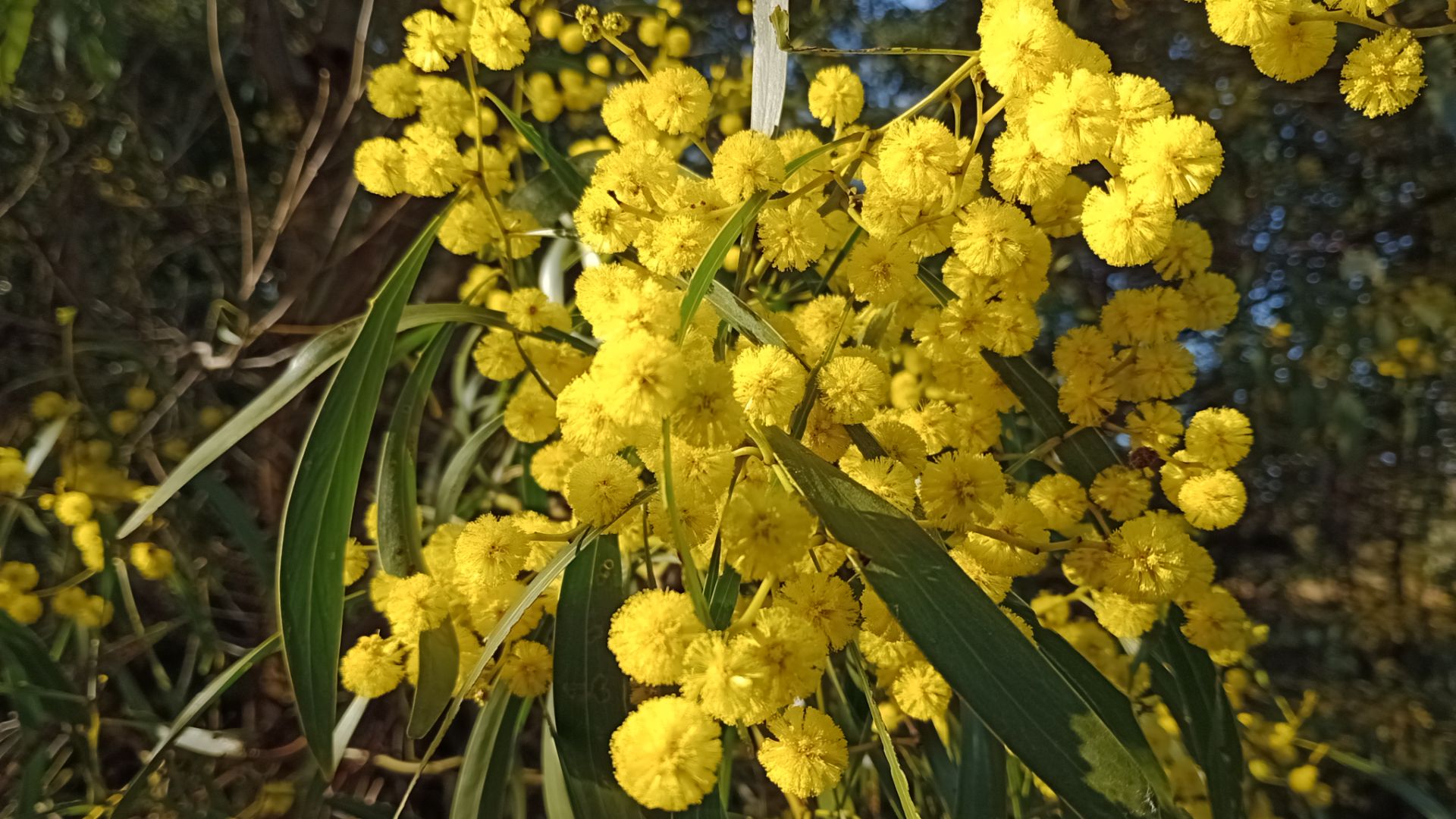
Wattle the floral emblem worth treasuring CSU News

Brisbane Adventures What a load of Wattle!
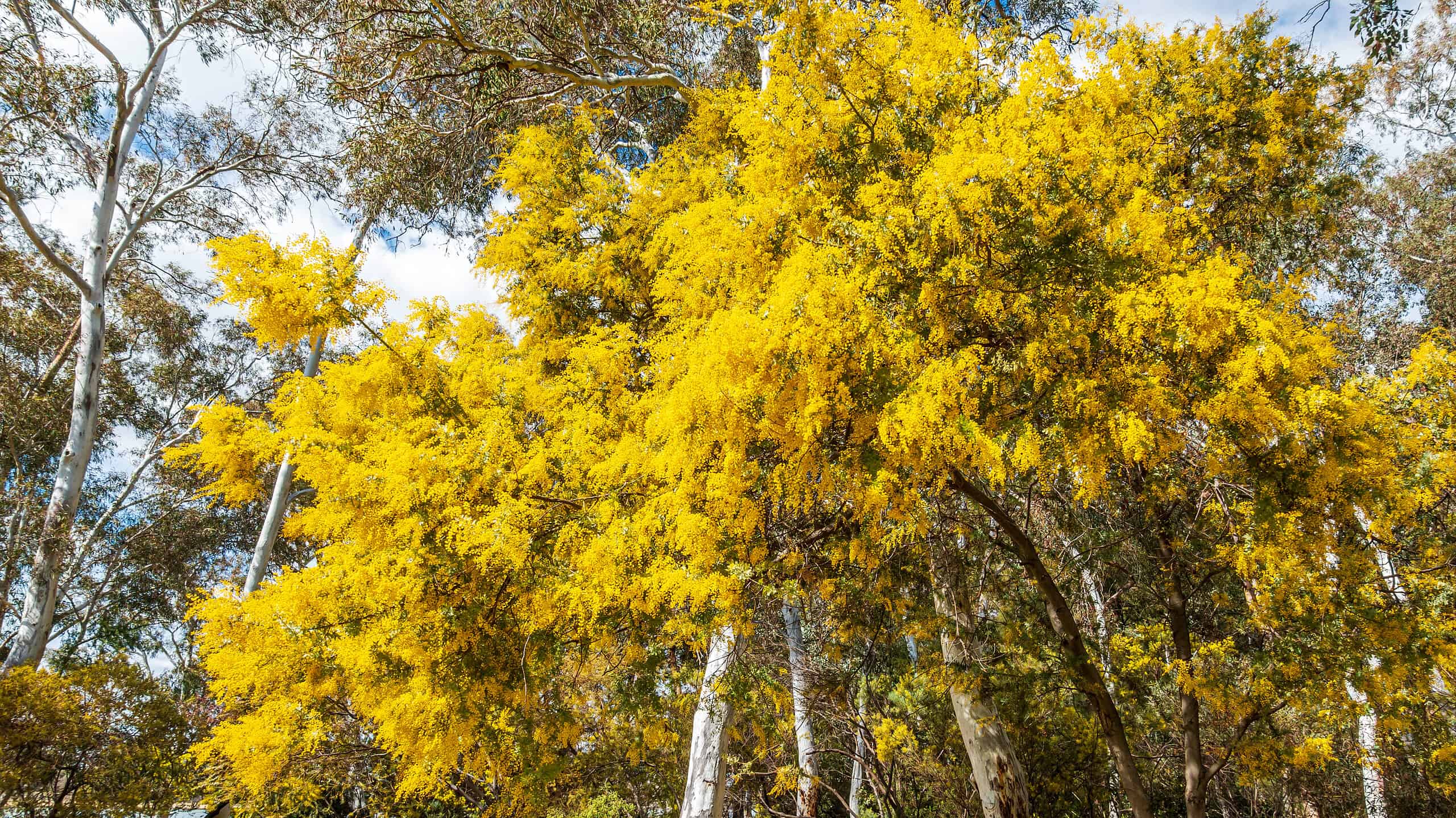
Discover The National Flower of Australia The Golden Wattle AZ Animals

Why Wattle has ‘Wow” Factor
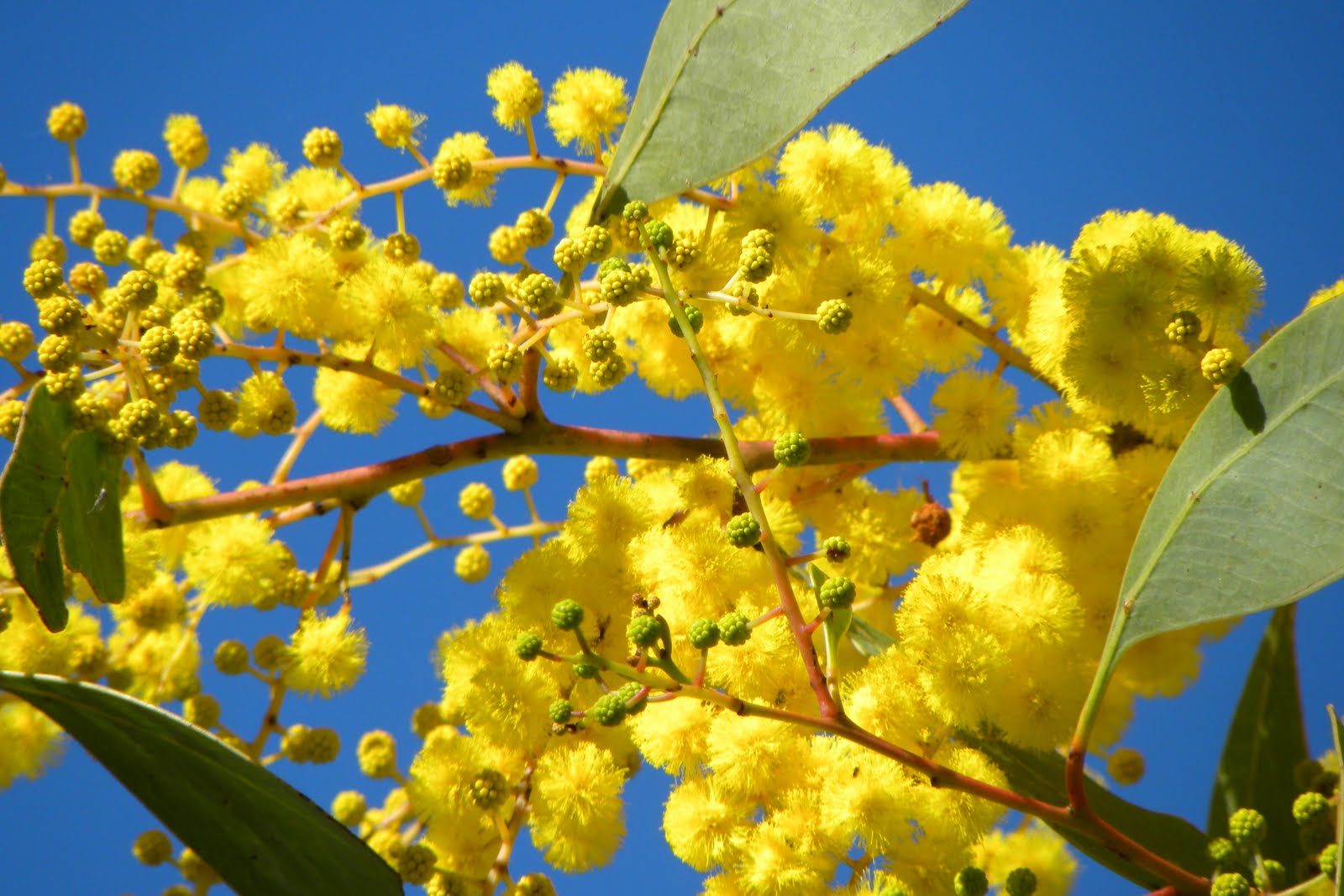
Ubobo Flowers Lovely Golden Wattle

Know Your Park Lands Plants Golden Wattle — Adelaide Park Lands

Researchers Sequence Genome of Golden Wattle Sci.News
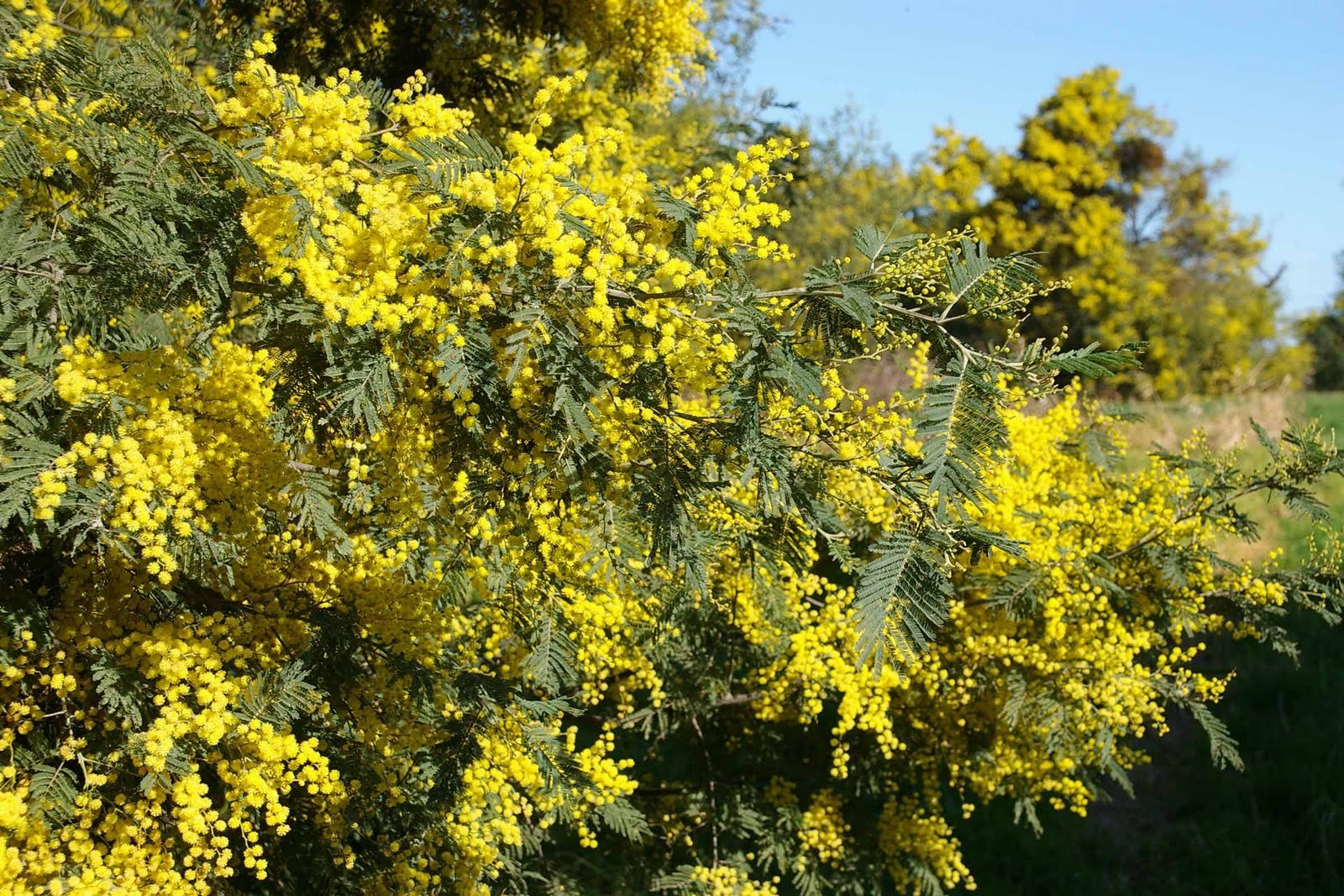
Casey Cardinia links to our past Wattle time
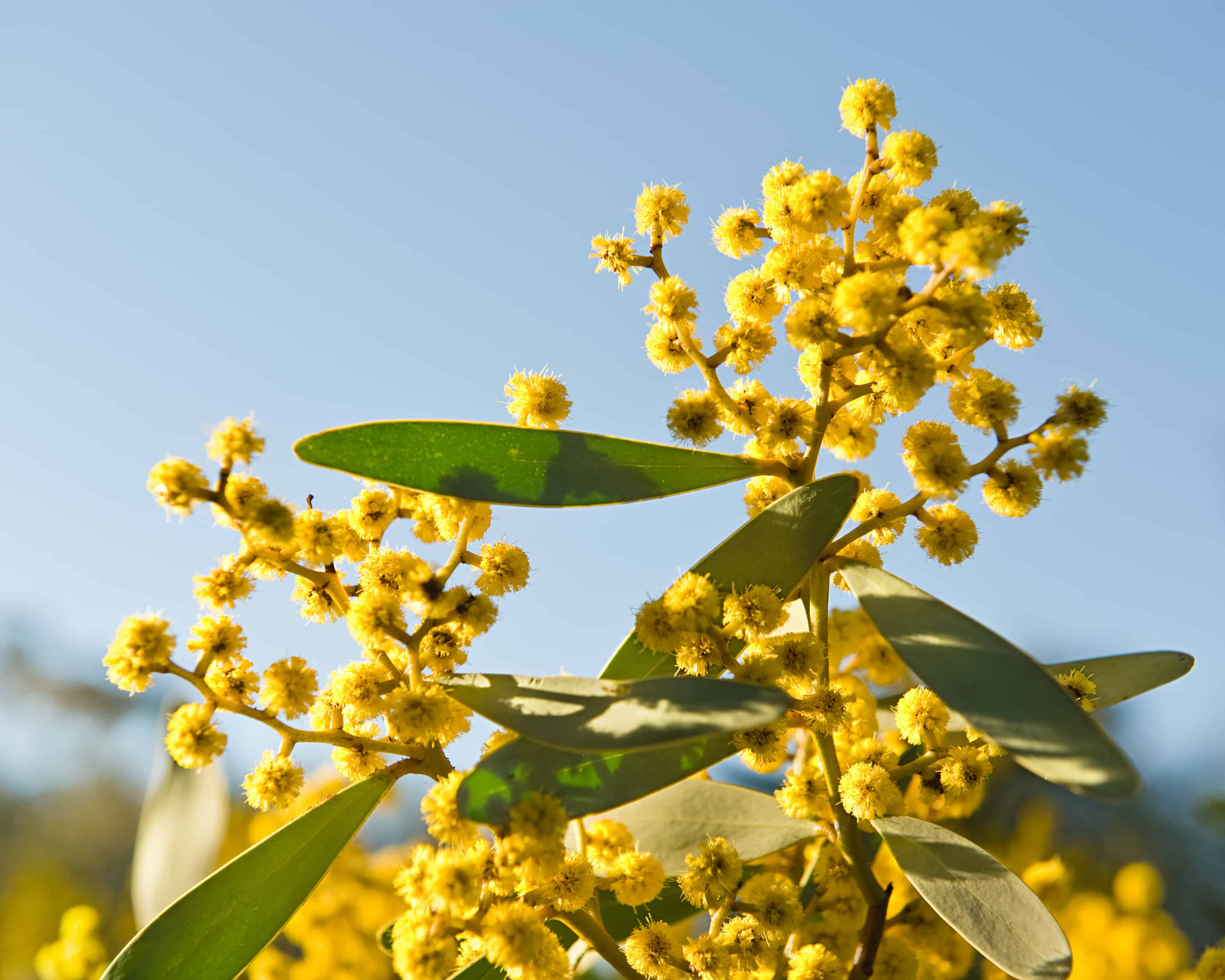
Australia Globe Trottin’ Kids
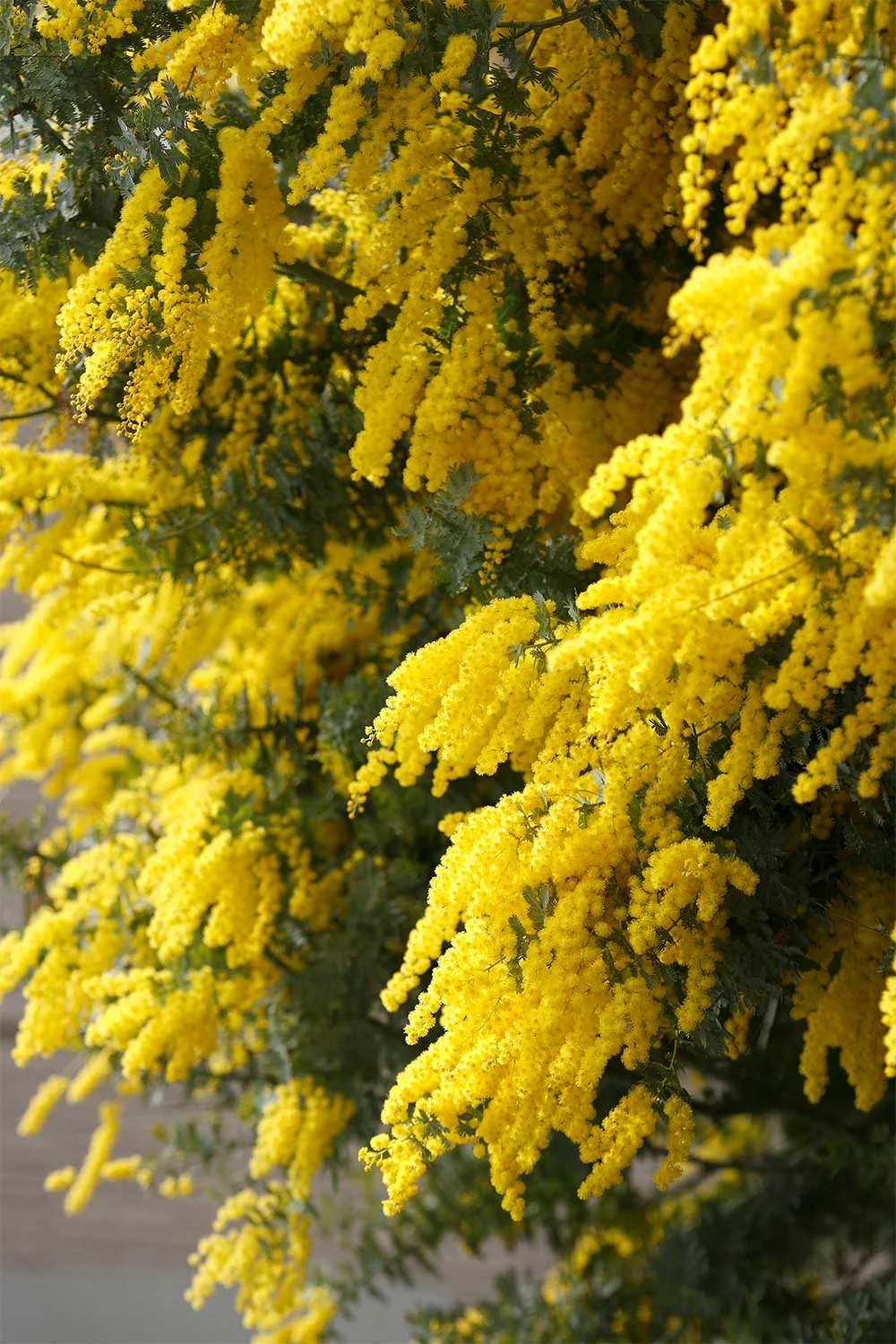
How to grow wattle based on your climate Better Homes & Gardens Australia

The wattle has arrived in my part of Australia. This is what it looks
In conclusion, the flap of skin on a turkey’s neck, known as the wattle, is a remarkable feature that serves multiple functions in the life of a turkey. From communication and thermoregulation to courtship displays and social signaling, the wattle plays a key role in the turkey’s anatomy and behavior.. A wild turkey is instantly recognizable for many reasons. These birds are big — sometimes tipping the scales at more than 20 pounds — but what most often catches our eyes is the bright red skin that hangs from the birds’ necks. This fleshy, bumpy skin has a name: the wattle. It’s different from the long piece of flesh that grows down from the bird’s forehead, which is called a “snood.
